

Author: Vipin Ji
There is something very special about coming back home after a long and tiring day.
For me, a beautiful home has never been only about expensive furniture, designer lights, large rooms, or perfectly matched colours. A beautiful home is a place that feels like you. It should tell a story about the people who live there. It should be comfortable on an ordinary Monday morning, welcoming when friends arrive unexpectedly, and peaceful when you simply want to sit quietly with a cup of tea.
That is why I find the idea behind beautiful homes stud interesting.
When people search for beautiful homes, they are often looking for photographs, decoration ideas, furniture inspiration, colour combinations, bedroom designs, living room ideas, or ways to make a small house feel bigger. But behind every beautiful photograph there is a much more important question:
How can we create a beautiful home that actually works for our everyday life?
In my opinion, that is where good home design begins.
A home should not look beautiful only when everything is perfectly arranged for a photograph. It should continue to feel beautiful when children leave their toys in the living room, when someone cooks dinner in the kitchen, when laundry is waiting to be folded, or when you have had a difficult day and simply want to relax.
Modern home décor is increasingly moving toward this balance between appearance and functionality. Contemporary design studios and décor spaces are also combining furniture, fabrics, rugs, lighting, wallpapers and visualisation tools to help homeowners imagine how different elements can work together.
So, what really makes a home beautiful?
Let us explore it from the beginning.
What Does Beautiful Homes Stud Really Mean?
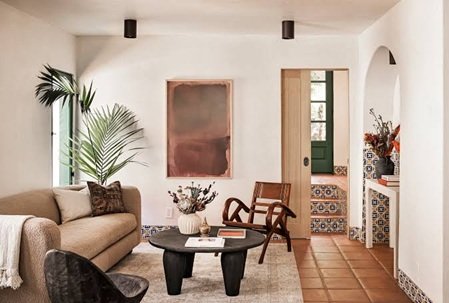
The phrase beautiful homes stud can be understood as a search theme around beautiful homes, home décor, interior design and the idea of creating attractive living spaces.
There is also a very similar and established phrase, Beautiful Homes Studio, used in the Indian home décor and interior-design context. For example, Asian Paints describes its Beautiful Homes Studio concept around décor, furniture, lighting, rugs, interior design services and digital visualisation.
However, when I think about the words “beautiful homes,” I don’t think about one particular showroom or one particular style.
I think about a broader idea.
A beautiful home can be:
- A small apartment with clever storage.
- A traditional Indian house with handmade furniture.
- A modern villa with clean lines.
- A rented home decorated without permanent changes.
- A compact bedroom with warm lighting.
- A family kitchen designed around everyday cooking.
- A simple living room with plants and comfortable seating.
- A luxurious house where every detail has been carefully selected.
The common element is not money.
The common element is thoughtfulness.
When every part of a room has a reason to be there, the space automatically starts feeling more complete.
Why Beautiful Homes Are More Than Beautiful Pictures
We live in a visual world.
Open Instagram, Pinterest, YouTube, or any home décor website and you will see thousands of beautiful interiors. Some have enormous windows, marble floors, designer sofas, dramatic chandeliers and perfectly styled coffee tables.
They look incredible.
But there is one problem.
Sometimes people copy the photograph instead of understanding the design principle behind it.
I have always believed that copying an interior exactly is less useful than understanding why it works.
Suppose you see a beautiful living room with a large beige sofa, wooden coffee table, green plants and warm lights.
You don’t necessarily need to buy the exact sofa.
Instead, ask:
Why does the room feel comfortable?
Maybe it is because the colour palette is calm.
Maybe the furniture has enough space around it.
Maybe the lighting is layered.
Maybe the wooden elements add warmth.
Maybe the plants introduce natural texture.
Maybe the room doesn’t contain too many unnecessary objects.
Once you understand that, you can create your own version—even with a much smaller budget.
That is what good home décor should teach us.
The First Rule of a Beautiful Home: Understand Your Lifestyle
Before selecting colours, furniture or wallpaper, I recommend asking a simple question:
How do I actually live?
This question sounds obvious, but it is surprisingly easy to ignore.
A family with two children needs a different living room from a person who lives alone.
Someone who works from home needs a different bedroom or study arrangement from someone who spends most of the day outside.
A person who loves cooking needs a different kitchen from someone who orders food frequently.
A pet owner may need different fabrics and flooring.
An elderly family member may need better lighting, safer movement areas and furniture at comfortable heights.
So before designing a room, understand the people who will use it.
I believe the most beautiful home is not the one that wins a design competition.
It is the one that makes everyday life easier.
Beautiful Living Room Ideas
The living room is often the first space guests see.
But it is also one of the most frequently used rooms in the house.
It may become a television room, family discussion area, children’s play space, reading corner, guest seating area and sometimes even a temporary workplace.
That means the living room has to balance beauty and practicality.
1. Start With the Sofa
The sofa usually becomes the visual and functional anchor of a living room.
Before buying one, consider:
- Room dimensions
- Number of people
- Walking space
- Door and window positions
- Cleaning requirements
- Fabric durability
- Colour
- Comfort
I personally prefer a sofa that looks inviting rather than one that looks impressive but is uncomfortable.
A beautiful sofa that nobody wants to sit on is not really good design.
2. Don’t Push Every Furniture Piece Against the Wall
This is a common mistake.
People often push the sofa, chairs and other furniture against the walls because they believe it makes the room look larger.
Sometimes it does the opposite.
Creating a small amount of breathing space around furniture can make the arrangement feel intentional.
Of course, the right arrangement depends on the size and shape of the room.
For a compact room, you may need furniture closer to the walls.
For a larger room, creating a central conversation area can work beautifully.
3. Use a Rug to Connect the Room
A rug can visually bring furniture together.
It can also add:
- Texture
- Warmth
- Colour
- Comfort
- Visual balance
One thing I have noticed repeatedly in interior photographs is that rooms often look more cohesive when the rug relates to the size and placement of the main furniture.
A tiny rug floating in the middle of a large seating arrangement can make the room look disconnected.
Lighting: The Secret Ingredient of Beautiful Homes
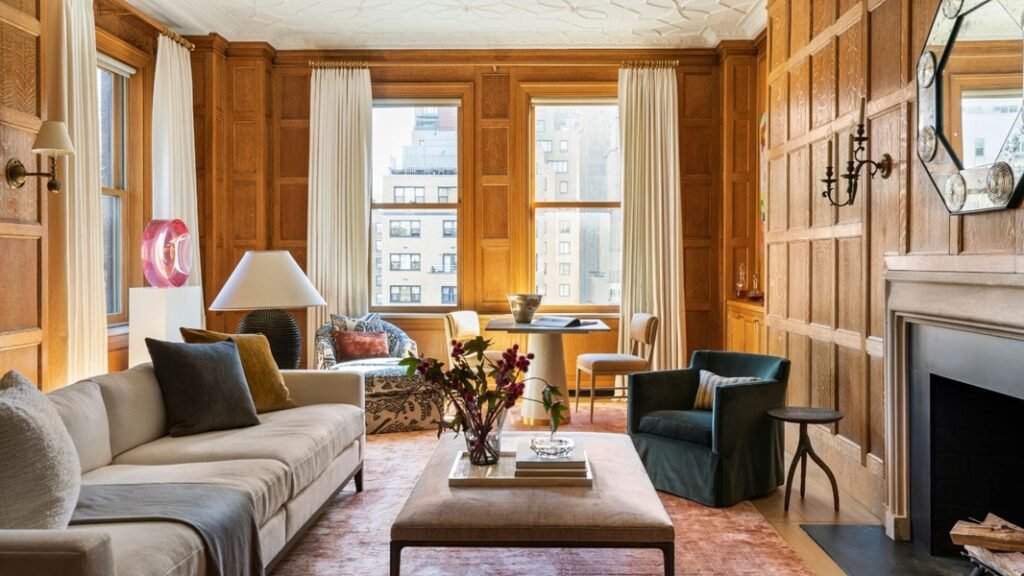
If I had to choose one element that people often underestimate, I would choose lighting.
You can have beautiful furniture and expensive finishes, but poor lighting can make the entire room feel cold.
On the other hand, relatively simple furniture can look wonderful under thoughtfully planned lighting.
A good room should ideally have more than one lighting source.
Think about:
Ambient Lighting
This provides general illumination.
Examples include ceiling lights and larger fixtures.
Task Lighting
This helps with specific activities.
Examples include:
- Reading lamps
- Desk lamps
- Kitchen work lights
- Dressing-table lights
Accent Lighting
This is used to highlight something.
For example:
- Artwork
- Architectural details
- Plants
- Shelves
- Textured walls
Layering these types of lighting creates depth.
This is one reason professional interior spaces can feel different from ordinary rooms.
The goal is not simply to make everything bright.
The goal is to make the room feel right.
Warm Lighting or Cool Lighting?
This is another question homeowners frequently ask.
Warm lighting generally creates a softer, more relaxing atmosphere.
Cooler lighting can feel more energetic and functional.
I would not use the same lighting approach everywhere.
A bedroom usually benefits from a softer atmosphere.
A study or work area may require clearer task lighting.
A kitchen needs practical illumination where food is prepared.
A living room can combine ambient and accent lighting.
The important thing is to choose lighting based on the function of the space.
Beautiful Bedroom Ideas
The bedroom should be one of the calmest rooms in the house.
Yet many bedrooms become storage areas.
Clothes pile up.
Unnecessary furniture occupies valuable space.
Cables remain visible.
The bedside table becomes a collection of random objects.
Then people wonder why the room doesn’t feel peaceful.
My approach is simple:
Reduce visual noise.
You don’t necessarily need a minimalist bedroom.
You simply need a bedroom where the important things are easy to see and the unnecessary things have a place to go.
Choosing the Right Bedroom Colours
Colour affects how a room feels.
Soft neutrals can create a calm atmosphere.
Earthy colours can introduce warmth.
Muted greens and blues can feel relaxing.
Deeper colours can create drama when used thoughtfully.
But there is no universal “best” bedroom colour.
Your natural light matters.
Room size matters.
Furniture colour matters.
Flooring matters.
Even the direction of windows can influence how a colour appears throughout the day.
That’s why I recommend testing paint samples rather than selecting a colour solely from a small screen image.
The Bed Should Be the Focus
The bed is naturally the main element in most bedrooms.
You can make it more attractive through:
- Layered bedding
- Cushions
- A suitable headboard
- Bedside lighting
- Artwork
- A simple feature wall
But don’t overdo it.
A bedroom should feel restful.
If there are too many decorative elements around the bed, the room can become visually tiring.
Beautiful Kitchen Design
A beautiful kitchen must work hard.
Unlike a decorative corner, a kitchen experiences daily activity.
Cooking.
Cleaning.
Storage.
Shopping.
Food preparation.
Family conversations.
Sometimes children doing homework.
So I always believe that kitchen design should begin with workflow.
Ask:
Where does food enter?
Where is it stored?
Where is it prepared?
Where is it cooked?
Where are dishes washed?
Where are appliances used?
A beautiful kitchen where movement is awkward will quickly become frustrating.
Kitchen Storage Matters More Than Decoration
One of my biggest observations about home interiors is that storage can have a greater impact than decoration.
A room with beautiful walls but clutter everywhere doesn’t feel beautiful.
A simple room with smart storage can look surprisingly elegant.
Use storage for:
- Kitchen appliances
- Crockery
- Spices
- Cleaning products
- Grocery items
- Small appliances
- Utensils
The best storage is often the storage you don’t notice.
Small Homes Can Be Beautiful Too
There is a misconception that beautiful homes require large spaces.
I don’t agree.
Some of the most comfortable homes are small.
The challenge is simply different.
In a small home, every square foot matters.
That means furniture should perform more than one function whenever possible.
Examples include:
- Storage beds
- Foldable dining tables
- Ottomans with storage
- Wall-mounted shelves
- Compact desks
- Built-in wardrobes
Vertical space can also be useful.
Instead of spreading everything across the floor, consider using walls intelligently.
Mirrors Can Make Small Rooms Feel Bigger
Mirrors are a classic interior-design trick.
When positioned thoughtfully, they can reflect light and create a greater sense of openness.
But there is a difference between using a mirror intentionally and covering every wall with mirrors.
A single large mirror can sometimes have a stronger effect than many small decorative pieces.
Think about what the mirror will reflect.
If it reflects a beautiful window, artwork or attractive architectural feature, it can improve the room.
If it reflects clutter, it will simply double the visual clutter.
Home Decor on a Budget
A beautiful home does not require unlimited money.
In fact, budget limitations can sometimes encourage better design decisions.
Instead of changing everything, focus on high-impact areas.
For example:
- Improve lighting.
- Declutter.
- Rearrange furniture.
- Add plants.
- Change cushions.
- Add curtains.
- Introduce artwork.
- Improve storage.
- Paint one wall.
- Replace outdated small accessories.
You don’t always need a complete renovation.
Sometimes the room needs editing rather than rebuilding.
The Importance of Curtains
Curtains are often treated as an afterthought.
I think that is a mistake.
Curtains can influence:
- Light
- Privacy
- Colour
- Height perception
- Softness
- Overall atmosphere
The right curtain can make a room feel finished.
For many interiors, installing curtains closer to ceiling height can create a stronger sense of verticality, provided the proportions of the room support it.
Fabric choice also matters.
Heavy curtains create a different mood from light, breathable fabrics.
Wallpapers and Feature Walls
A feature wall can give personality to a room.
But the purpose should not be simply to make one wall “different.”
Ask yourself:
What do I want this wall to do?
Maybe it should become a focal point.
Maybe it should visually frame the bed.
Maybe it should add texture behind a sofa.
Maybe it should create contrast.
Wallpaper can be especially effective when it complements the furniture rather than competing with it.
Choosing Furniture for a Beautiful Home
Furniture is one of the largest investments in an interior.
Before buying, I recommend considering five things:
Comfort
Sit on the furniture before purchasing whenever possible.
Scale
A huge sofa in a small room can overwhelm the space.
Function
Think about how you will actually use it.
Maintenance
Beautiful materials are not always easy to maintain.
Longevity
Ask whether you will still like the design several years from now.
Trends can be exciting, but timeless pieces often provide better long-term value.
Why Natural Materials Work So Well
Wood, stone, cotton, linen, cane, jute and other natural-looking materials can add warmth to interiors.
Even when a room has modern architecture, introducing natural textures can make it feel less sterile.
This doesn’t mean every home needs to look rustic.
A contemporary home can combine:
- Clean lines
- Natural wood
- Soft textiles
- Stone surfaces
- Plants
- Warm lighting
The result can feel modern and comfortable simultaneously.
Plants Bring Life Into a Home
Plants are among the simplest ways to change the feeling of a room.
They introduce:
- Natural colour
- Texture
- Organic shapes
- Visual softness
You don’t need dozens of plants.
One large plant in an appropriate corner can sometimes have more impact than ten tiny pots scattered randomly.
Choose plants according to the light conditions of your home and your ability to care for them.
A beautiful plant that constantly struggles because it is placed in unsuitable light is not a good décor decision.
Artwork Should Mean Something
Wall art doesn’t need to be expensive.
I personally think meaningful art is often more interesting than expensive art chosen simply because it matches the sofa.
You could display:
- Family photographs
- Local artwork
- Travel memories
- Handmade pieces
- Traditional crafts
- Personal collections
- Prints
- Paintings
A home should reveal something about the people living inside it.
Otherwise, it can start looking like a hotel showroom.
Personalisation Makes a Home Beautiful
This may be my strongest opinion about interior design:
Don’t design your home for strangers.
Design it for yourself.
If you love books, create a reading area.
If you love music, give your instruments a visible place.
If you enjoy cooking, invest in your kitchen.
If you collect art, display it.
If family photographs matter to you, don’t hide all of them simply because someone says modern homes shouldn’t have photographs.
Trends change.
Personal meaning lasts longer.
Indian Homes and Modern Interior Design
Indian homes have a wonderful opportunity because our design traditions are incredibly diverse.
We can combine modern architecture with:
- Handcrafted furniture
- Brass details
- Indian textiles
- Traditional artwork
- Wooden carvings
- Terracotta
- Cane
- Regional crafts
- Handmade rugs
The goal doesn’t have to be creating a completely traditional house.
A contemporary home with subtle Indian influences can feel extremely personal.
Modern designers increasingly explore the relationship between contemporary spaces and regional materials, traditions and craftsmanship.
Luxury Does Not Always Mean Expensive
The word luxury is often misunderstood.
Luxury can mean expensive marble and imported furniture.
But it can also mean:
- Enough storage
- Quiet surroundings
- Comfortable furniture
- Beautiful natural light
- Good-quality bedding
- A peaceful bedroom
- Thoughtful lighting
- A clutter-free kitchen
- A home that functions effortlessly
For me, that is a much more meaningful definition of luxury.
What Makes a Home Feel Expensive?
There are a few design principles that can make even an affordable interior feel polished.
Consistency
Colours and materials should have some relationship with each other.
Scale
Furniture should be appropriate to the room.
Lighting
Good lighting can dramatically change perception.
Cleanliness
No design can compensate for clutter.
Quality Over Quantity
A few good elements often work better than many mediocre ones.
Details
Hardware, handles, cushions, curtains and artwork can make a difference.
The Power of Colour
Colour is one of the easiest ways to transform a home.
But colour selection should be considered as a complete palette rather than a collection of individual choices.
For example, you might select:
- One dominant neutral
- One secondary colour
- One accent colour
- Natural wood or metallic elements
This creates visual hierarchy.
If every element is competing for attention, the room can become chaotic.
Neutral Interiors Are Not Boring
Some people think neutral means white walls and nothing else.
That isn’t true.
A neutral interior can include:
- Beige
- Cream
- Warm white
- Taupe
- Grey
- Brown
- Soft green
- Muted blue
Texture becomes especially important in neutral interiors.
A beige room with different fabrics, wood, stone, woven materials and soft lighting can have far more depth than a room full of bright colours.
Don’t Follow Every Interior Trend
Every year there are new décor trends.
Some become classics.
Others disappear quickly.
I think homeowners should be careful about investing heavily in trends.
If you love a trend, use it.
But perhaps use it through elements that are easier to replace:
- Cushions
- Lamps
- Artwork
- Accessories
- Small furniture
Keep expensive permanent elements more timeless where possible.
This reduces the pressure to renovate every few years.
Designing a Home Around Natural Light
Natural light can change everything.
Before deciding where furniture goes, observe the room during different times of the day.
Morning light can be completely different from afternoon light.
A dark corner might become beautiful when you understand how to use artificial lighting there.
Large windows should not automatically be covered with heavy curtains all day.
Sometimes the best décor is simply allowing sunlight to enter.
Home Office Design
Working from home has changed how many people think about their interiors.
A home office should encourage concentration without feeling uncomfortable.
Consider:
- Proper desk height
- Comfortable chair
- Good task lighting
- Cable management
- Storage
- Background for video calls
- Natural light
- Noise control
A beautiful office is useful only when you can work comfortably in it.
The Entryway Matters
Many homeowners focus on the living room and completely ignore the entrance.
But the entrance creates the first impression.
It doesn’t have to be large.
A small console, mirror, plant, artwork or practical storage area can make an entrance feel intentional.
The key is avoiding clutter.
Shoes, bags, keys and random packages can quickly turn the entrance into the least attractive part of the home.
Bathroom Design
Bathrooms deserve more attention than they usually receive.
You can create a more luxurious feeling through:
- Good lighting
- Clean lines
- Quality fixtures
- Large mirrors
- Organized storage
- Coordinated finishes
- Appropriate ventilation
Even a small bathroom can feel elegant when every element has a purpose.
The Importance of Storage in Every Room
Storage should be planned from the beginning rather than added as an emergency solution.
Think about what you own.
Then think about where it will live.
This is particularly important in:
- Bedrooms
- Kitchens
- Entryways
- Bathrooms
- Children’s rooms
- Home offices
Good storage reduces visual clutter.
And reduced visual clutter often makes a home feel more peaceful.
Children’s Rooms Should Be Beautiful and Practical
Children’s rooms are different from adult bedrooms.
They need space to grow.
Instead of designing everything around a particular cartoon character or temporary interest, consider creating a flexible base.
Then change smaller decorative elements as the child grows.
Use:
- Accessible storage
- Safe furniture
- Washable fabrics
- Open floor space
- Good lighting
- A study area when appropriate
A child’s room should encourage both imagination and independence.
Designing for Older Family Members
A beautiful home should also be accessible.
As people age, small design choices become important.
Good lighting.
Clear walking paths.
Comfortable seating.
Appropriate bathroom arrangements.
Easy-to-reach storage.
Non-slip surfaces where necessary.
These considerations don’t make a home less beautiful.
They make it more thoughtful.
The Role of Technology in Modern Home Design
Technology is becoming increasingly integrated into interior experiences.
Modern décor studios are using digital visualisation to help customers understand how products and design combinations might look before making decisions.
I think this is useful because imagining an entire room from separate product samples can be difficult.
Technology can help homeowners visualize:
- Furniture placement
- Colour combinations
- Lighting
- Wallpapers
- Materials
- Overall room composition
But technology should support design decisions—not replace human judgment.
Why Visualisation Is Useful
Imagine choosing a sofa, rug, wallpaper, curtains and lighting separately.
Each item may look beautiful by itself.
But will they work together?
That is the difficult part.
Visualisation can reduce uncertainty.
It allows people to think about the complete environment rather than individual products.
This approach is increasingly visible in premium décor spaces and studios.
Beautiful Homes Stud and the Idea of a Home Studio
The word “studio” is important because a good design studio is not simply a place where products are displayed.
It can become a place where homeowners explore possibilities.
A contemporary Beautiful Homes Studio concept, for example, brings together categories such as furniture, lighting, rugs and other décor elements while also offering design guidance and visualisation.
That kind of integrated approach makes sense.
Instead of visiting one place for furniture, another for lights, another for fabrics and another for rugs, homeowners can begin by understanding how the elements work together.
For someone designing a new home, that can save time and reduce confusion.
Don’t Buy Everything at Once
This is something I strongly recommend.
When people move into a new home, there is often a temptation to finish everything immediately.
Curtains.
Furniture.
Artwork.
Plants.
Accessories.
Rugs.
Lighting.
Decorative objects.
But a home can evolve.
I actually like the idea of leaving some spaces unfinished for a while.
Live in the house.
Understand the light.
Understand your habits.
Then decide what the room needs.
Some of the best décor decisions come after living in a space rather than before.
The Difference Between Decoration and Design
Decoration is about adding things.
Design is about making decisions.
You can decorate a room with cushions, paintings and accessories.
But design asks:
- How do people move?
- Where does light enter?
- What is the room used for?
- What should be the focal point?
- Where will things be stored?
- What materials make sense?
- How will the space change over time?
Decoration can make a room attractive.
Good design makes it work.
The best homes do both.
How to Create a Beautiful Home Step by Step
If I were starting from an empty house today, I would approach it in this order.
Step 1: Understand the Space
Measure rooms.
Understand doors and windows.
Observe natural light.
Identify structural limitations.
Step 2: Understand Your Lifestyle
Who lives there?
How do they use the rooms?
What activities happen every day?
Step 3: Set a Budget
Divide the budget between major categories.
Do not spend everything on one spectacular piece while ignoring essentials.
Step 4: Choose a General Style
You don’t need a perfect label.
But decide whether you prefer:
- Modern
- Contemporary
- Traditional
- Minimal
- Rustic
- Industrial
- Scandinavian
- Eclectic
- Indian contemporary
Step 5: Select the Main Furniture
Start with important pieces.
Step 6: Plan Lighting
Don’t leave lighting until the end.
Step 7: Add Textures
Curtains, rugs, cushions and fabrics can introduce softness.
Step 8: Add Personality
Artwork, books, plants, photographs and meaningful objects.
Step 9: Declutter
Remove anything that doesn’t contribute.
Step 10: Live With It
A home isn’t finished on the day the furniture arrives.
It evolves.
Common Home Decor Mistakes
Buying Furniture Before Measuring
This can create serious problems.
Always measure doorways, staircases, elevators and room dimensions.
Choosing Everything From One Store
One-store shopping is convenient, but mixing sources can sometimes create more personality.
Too Many Colours
A strong palette is easier to live with.
Too Much Decoration
Empty space is also part of design.
Ignoring Lighting
One ceiling light is rarely enough for an entire home.
Ignoring Storage
Clutter will eventually appear.
Following Trends Blindly
Choose what works for you.
Choosing Looks Over Comfort
A home is meant to be lived in.
How to Make a Rental Home Beautiful
Renters often think they cannot personalize their home.
That isn’t true.
There are many reversible changes.
For example:
- Rugs
- Curtains
- Lamps
- Plants
- Artwork
- Freestanding shelves
- Cushions
- Removable décor
- Furniture arrangement
Even without changing walls permanently, you can significantly change how a space feels.
Sustainable Home Decor
Beautiful design should ideally consider the future too.
Instead of replacing furniture frequently, consider buying pieces that can last.
Repair where possible.
Reuse existing furniture.
Choose durable materials.
Support craftsmanship.
Buy fewer but better objects.
A sustainable home doesn’t have to look rustic.
Sustainability can be elegant.
Handmade Decor Adds Character
Mass-produced furniture is useful and often affordable.
But handmade elements can add something different.
A handmade bowl.
A locally produced rug.
A carved wooden object.
A woven basket.
Traditional textiles.
These pieces often carry stories.
And stories make interiors personal.
Mixing Old and New
One of my favourite approaches to interior design is mixing generations.
A modern sofa can sit beside an old wooden cabinet.
Contemporary lighting can work with traditional artwork.
A new dining table can be paired with vintage chairs.
This prevents the room from feeling like everything was purchased on the same day.
A home should look collected rather than assembled.
Beautiful Homes Should Reflect Memories
Some of the most valuable things in a home are not expensive.
A photograph from a family trip.
An old clock.
A gift from a parent.
A child’s drawing.
A souvenir from another city.
A book that has been read many times.
These objects create emotional value.
I believe that is something no showroom can completely reproduce.
A designer can create the structure.
But the people living in the home create its soul.
How to Make a Home Feel Welcoming
If you want guests to feel comfortable, think beyond appearance.
Comfortable seating matters.
Temperature matters.
Lighting matters.
Smell matters.
Cleanliness matters.
Music can matter.
Even the placement of chairs can influence conversation.
A room should invite people to stay.
That is a better measure of beauty than whether everything matches perfectly.
The Psychology of a Beautiful Home
Our surroundings influence how we feel.
A cluttered room can create visual pressure.
Natural light can make a space feel open.
Warm textures can make it feel comfortable.
Clear organization can make daily tasks easier.
This is why interior design is not purely aesthetic.
It affects everyday experience.
A beautiful home should support the life happening inside it.
Why Minimalism Is Popular
Minimalism appeals to many people because it reduces visual noise.
But minimalism does not mean owning nothing.
It means being intentional.
A minimalist living room can still have:
- Books
- Plants
- Artwork
- Textiles
- Personal objects
The difference is that each item has a reason to exist.
Maximalist Homes Can Be Beautiful Too
Not everyone likes minimalism.
Some people love colour, pattern, art and collections.
That is perfectly valid.
A maximalist home can be beautiful when there is still some visual structure.
The trick is not necessarily reducing objects.
It is creating relationships between them.
Similar colours can connect different elements.
Repeated patterns can create rhythm.
A dominant colour can anchor a busy room.
Finding Your Personal Interior Style
If you’re unsure what your style is, don’t worry.
Start collecting images.
After saving 20 or 30 interiors you like, look for patterns.
Maybe you repeatedly choose:
- Wooden furniture
- Neutral walls
- Plants
- Warm lights
- Black accents
Or perhaps you prefer:
- Bright colours
- Patterned fabrics
- Vintage furniture
- Art-filled walls
Your preferences will reveal themselves.
Beautiful Homes and Social Media
Social media has made interior inspiration easier than ever.
But it has also created unrealistic expectations.
Photographs are carefully staged.
Rooms may be cleaned specifically for photography.
Lighting is controlled.
Objects are positioned carefully.
So don’t compare your everyday home with someone’s professionally photographed interior.
A real home has life in it.
And life is messy sometimes.
That is normal.
Don’t Forget the Ceiling
The ceiling is often ignored.
But it is part of the room.
Lighting can make it interesting.
Simple architectural details can add character.
In some spaces, a subtle ceiling treatment can create a strong visual effect.
But again, restraint matters.
Not every ceiling needs elaborate decoration.
Flooring and Its Impact
Flooring occupies a large visual area.
It influences:
- Colour
- Texture
- Warmth
- Maintenance
- Room perception
Wooden finishes can create warmth.
Stone can create a more formal feeling.
Tiles offer many patterns and finishes.
Choose based on lifestyle, budget and maintenance—not just photographs.
Doors and Hardware
Small details can influence the overall impression.
Door handles.
Cabinet handles.
Switch plates.
Faucets.
These elements may seem insignificant individually, but repeated details create consistency.
This is one of those areas where a room can look more polished without dramatically increasing decoration.
Designing Around a Focal Point
Every room benefits from some visual hierarchy.
The focal point might be:
- A large window
- Artwork
- A fireplace
- A bed
- A feature wall
- A beautiful light fixture
- A view
Once you identify the focal point, arrange furniture and décor around it.
Without hierarchy, everything competes for attention.
Home Decor for Different Budgets
Low Budget
Focus on:
- Decluttering
- Paint
- Lighting
- Textiles
- Plants
- Rearranging furniture
Medium Budget
Consider:
- Better furniture
- Rugs
- Curtains
- Storage
- Feature walls
- Lighting upgrades
Higher Budget
Consider:
- Custom furniture
- Premium materials
- Professional interior design
- Integrated lighting
- Bespoke storage
- High-quality finishes
The principles remain the same at every budget.
Why Professional Design Help Can Be Valuable
Some homeowners enjoy doing everything themselves.
Others become overwhelmed.
Professional designers can help with:
- Space planning
- Material selection
- Colour schemes
- Furniture selection
- Lighting
- Budget management
- Execution
The value is not simply choosing attractive objects.
It is coordinating hundreds of decisions.
What I Would Ask an Interior Designer
If I were hiring a designer, I would ask:
- How do you understand my lifestyle?
- How do you handle budget changes?
- Who manages execution?
- How do you select materials?
- How do you handle revisions?
- What happens if something is delayed?
- How is quality checked?
- What is included in the fee?
- What is not included?
- How do you communicate during the project?
A good conversation before starting can prevent many misunderstandings later.
Beautiful Homes Are About People
After thinking about home décor for a long time, I keep coming back to one simple idea.
A house is a structure. A home is a relationship.
The relationship between people and space.
The relationship between memories and objects.
The relationship between comfort and design.
The relationship between beauty and everyday life.
This is why I don’t believe there is one perfect formula for a beautiful home.
There is only a home that is right for the people living in it.
My Personal Approach to Creating a Beautiful Home
If someone asked me, “Vipin Ji, what would you do if you had to redesign your home from scratch?”
My answer would be surprisingly simple.
I would start slowly.
I would not immediately order furniture.
I would first spend time in every room.
I would observe where sunlight enters.
I would notice where people naturally sit.
I would see where clutter appears.
I would understand what feels uncomfortable.
Then I would fix those problems first.
Only after that would I start decorating.
I believe good design begins with observation.
25 Quick Ideas for a More Beautiful Home
Here are some practical ideas that can be implemented without completely renovating the house:
- Remove unnecessary objects.
- Improve living-room lighting.
- Add one large plant.
- Use coordinated cushions.
- Introduce a rug.
- Rearrange furniture.
- Hide visible cables.
- Organize open shelves.
- Add meaningful artwork.
- Replace outdated light fixtures.
- Use curtains thoughtfully.
- Create a reading corner.
- Add storage where clutter accumulates.
- Keep kitchen counters organized.
- Improve bedroom lighting.
- Use natural textures.
- Display books intentionally.
- Add a mirror strategically.
- Create an attractive entrance.
- Mix old and new furniture.
- Avoid buying décor simply because it is trendy.
- Choose comfortable furniture.
- Use a consistent colour palette.
- Keep some empty space.
- Let the home evolve naturally.
Final Thoughts on Beautiful Homes Stud
The idea of beautiful homes stud should ultimately be about more than a keyword.
It should represent an idea.
An idea that a beautiful home is possible at different budgets.
An idea that good design should be personal.
An idea that functionality and beauty can coexist.
An idea that you don’t need to copy someone else’s house to create something wonderful.
The home that looks best in a magazine is not necessarily the home I would choose for myself.
I would choose the home where people feel comfortable.
The home where conversations happen naturally.
The home where morning sunlight enters the room.
The home where the sofa is comfortable enough to fall asleep on.
The home where old photographs have a place.
The home where children can make a little mess.
The home where guests feel welcome.
The home where, after travelling for several days, you walk through the door and immediately think:
“Finally, I am home.”
That, to me, is the real meaning of a beautiful home.
And perhaps that is the most important lesson behind the entire world of home décor and interior design.
Don’t build a home simply to impress people who visit it. Build a home that makes the people who live there happy.
— Vipin Ji